

Could you please clarify what you mean by “muggumantrams”? The word doesn’t appear to match anything commonly recognized in English, Sanskrit, or any other widely known language.
Here are a few possibilities:
regular festival
-
Did you mean “Muggulu mantrams” (possibly combining the Telugu word Muggulu — decorative rangoli patterns — with mantrams or mantras)?
-
Or are you referring to “Muggulu mantras”, as in spiritual chants associated with traditional floor designs?
-
Or is “Muggumantrams” a name of a specific book, website, or app?
If you can provide a bit more context, like where you saw the term or what kind of content you’re referring to (e.g., spiritual, artistic, educational), I can give a more accurate description.
What is Muggumantram?
Muggumantram (மூக்குமந்திரம் in Tamil) typically refers to “Three Mantras” or a set of three powerful sacred chants or phrases used in various spiritual, religious, or ritualistic contexts, especially in South Indian traditions. The word breaks down as:
-
Muggu (முகு) = Three
-
Mantram (மந்திரம்) = Mantras (sacred chants or hymns)
What is Muggumantram?
Muggumantram (மூக்குமந்திரம் in Tamil) typically refers to “Three Mantras” or a set of three powerful sacred chants or phrases used in various spiritual, religious, or ritualistic contexts, especially in South Indian traditions. The word breaks down as:
-
-
Muggu (முகு) = Three
-
Mantram (மந்திரம்) = Mantras (sacred chants or hymns)
-
Protective Purpose:
-
Some muggumantrams are designed as protective charms to ward off evil spirits, negative energy, or bad luck.

-
These three mantras may be inscribed on objects, chanted aloud, or mentally repeated for spiritual safeguarding.
-
-
Meditation and Concentration:
-
Repeating the three mantras can help focus the mind, elevate consciousness, and deepen meditation practice.
-
Example of a Popular Muggumantram (Conceptual):
-
Om (ॐ) — The primordial sound, representing the universe and ultimate reality.
-
Gayatri Mantra — A highly revered mantra from the Rig Veda, invoking the Sun deity for wisdom and enlightenment.
-
Maha Mrityunjaya Mantra — The death-conquering mantra, invoking Lord Shiva for protection and healing.
Together, these three mantras can be referred to as a “muggumantram” collection, representing powerful spiritual tools.
Cultural Importance:
-
In Tamil and South Indian culture, these three mantras might be taught to children for daily chanting.
-
In temples and homes, muggumantrams can be recited during special festivals or important occasions.
-
They often symbolize a holistic spiritual practice: invocation, protection, and meditation.
If you want:
-
Specific three mantras traditionally called muggumantrams in any particular tradition
-
Their meanings, transliterations, or how to chant them
-
Their ritual significance or uses in daily life
Just let me know! I can provide exact verses, translations, and usage tips.
Does this explanation fit what you were looking for? Or do you want info on something else related to muggumantrams?
-
Contexts and Uses of Muggumantrams:
-
Spiritual and Religious Use:
-
In Hindu rituals and worship, mantras hold great significance as they are believed to carry divine energy and vibration.
-
The three mantras can be specific chants dedic
-
-

Contexts and Uses of Muggumantrams:
-
Spiritual and Religious Use:
-
In Hindu rituals and worship, mantras hold great significance as they are believed to carry divine energy and vibration.
-
The three mantras can be specific chants dedic
-
What is Muggumantram?
Muggumantram (மூக்குமந்திரம் in Tamil) typically refers to “Three Mantras” or a set of three powerful sacred chants or phrases used in various spiritual, religious, or ritualistic contexts, especially in South Indian traditions. The word breaks down as:
-
Muggu (முகு) = Three
-
Mantram (மந்திரம்) = Mantras (sacred chants or hymns)
Contexts and Uses of Muggumantrams:
-
Spiritual and Religious Use:
-
In Hindu rituals and worship, mantras hold great significance as they are believed to carry divine energy and vibration.
-
The three mantras can be specific chants dedic
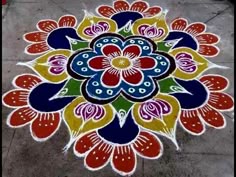
- Muggulu: The Traditional Art of Sacred GeometryIntroductionMuggulu, a traditional form of artistic expression found predominantly in South India, is more than just decorative art—it is a spiritual, cultural, and aesthetic practice that has been passed down through generations. Known as Rangoli in North India, Kolam in Tamil Nadu, and Alpana in Bengal, Muggulu is the Telugu term for this intricate floor art. Commonly drawn at the entrances of homes, temples, and courtyards, these beautiful designs are made using rice flour, chalk powder, or colored powders, serving both decorative and symbolic purposes.
In this essay, we will explore the origin, techniques, symbolism, cultural significance, and evolution of Muggulu, reflecting its enduring presence in Indian life.
Origin and Historical Background
The tradition of Muggulu can be traced back thousands of years, with references found in ancient Indian scriptures and texts. Muggulu finds its roots in the Dravidian culture, and archaeological findings in the Indus Valley Civilization have shown similar geometric patterns and motifs. The early purpose of Muggulu was not just to beautify the entrance of a home but to invite positive energy and ward off evil spirits.
Rice flour was originally used to draw these designs, symbolizing nourishment and prosperity, as it would feed ants, birds, and small insects, promoting harmony with nature. Over time, Muggulu evolved into an important part of daily life and festive celebrations in many Indian households.
Cultural Significance
In traditional South Indian households, especially in Telangana and Andhra Pradesh, drawing Muggulu is a daily ritual, often performed by women early in the morning after cleaning the entrance. This practice is considered auspicious and represents purity, discipline, and devotion.
Each Muggulu design holds symbolic meaning. For instance:
Lotus designs represent purity and spiritual awakening.
Geometric patterns like stars and circles symbolize cosmic harmony and balance.
Conch shells and peacocks are drawn to bring good fortune and aesthetic appeal.
During festivals like Sankranti, Deepavali, Ugadi, and Varalakshmi Vratam, elaborate Muggulu with vibrant colors and thematic designs are created, often accompanied by lamps (deepam), flowers, and decorative embellishments. These festive Muggulu are believed to invoke the blessings of the gods and bring prosperity to the household.
Materials Used in Muggulu
Traditionally, Muggulu is made using:
Rice flour ( biyyam pindi ) – Eco-friendly and symbolic of offering food to living creatures.
Chalk powder or white stone powder – For clearer visibility on floors.
Natural colors made from turmeric, vermilion, and flower petals.
Synthetic color powders – Widely used in modern decorative Muggulu for festivals and competitions.
In rural areas, women often create their own powdered mixtures by grinding rice or chalk, whereas in urban settings, ready-made powders are more commonly used.
Types and Styles of Muggulu
Muggulu can be classified into various styles based on patterns and techniques:
1. Chukkala Muggulu (Dot Muggulu)
These are created by placing dots in a grid pattern and connecting them with lines or curves to form symmetrical designs. This is one of the most popular forms, requiring precision and patience.
2. Geometric Muggulu
Involves the use of shapes like squares, triangles, circles, and stars to create complex symmetrical patterns. These often represent cosmic designs and mandalas.
3. Freehand Muggulu
Drawn without dots, relying on the artist’s creativity. They often include flowers, animals, lamps, and divine symbols like Om, Swastika, or Kalasham.
4. Color Muggulu (Rangoli Style)
Used during festivals, these are filled with colored powders and may also use flowers, pulses, and even lights for added appeal.
5. Padi Kolam Style
Influenced by Tamil Nadu traditions, this style uses straight lines and symmetry and is mostly seen in temple entrances.
Symbolism and Spiritual Importance
Every element in a Muggulu design holds deep symbolic significance:
Symmetry and Geometry: Represent the balance of nature and the order of the universe. Drawing symmetrical Muggulu is believed to bring harmony into one’s life.
Circle (Chakra): Symbolizes eternity and the cyclical nature of life.
Lotus: A sacred symbol in Hinduism, denoting purity and divine birth.
Swastika: Represents good luck, prosperity, and the presence of Lord Ganesha.
Conch and Lamps: Invocations to the divine, often used in devotional Muggulu.
Spiritually, the act of drawing Muggulu is seen as a meditative process, helping the artist focus the mind, reduce stress, and cultivate mindfulness. It is a form of Bhakti Yoga, or devotion through action.
Regional Variations
Although Muggulu is most prominent in Andhra Pradesh and Telangana, variations of this art exist throughout India:
Kolam (Tamil Nadu): Similar to Muggulu but often more linear and grid-based.
Rangoli (Maharashtra, Gujarat, North India): More colorful and free-flowing, often used during Diwali.
Alpana (Bengal): Made with a paste of rice flour and water, featuring floral and religious motifs.
Mandana (Rajasthan and Madhya Pradesh): Drawn on walls and floors with lime or chalk, often for special rituals.
Each region adds its unique cultural context, motifs, and meanings to the designs.
Role of Muggulu in Festivals
Festivals are incomplete without the presence of Muggulu. During Sankranti, one of the most significant festivals in Andhra Pradesh and Telangana, elaborate and colorful Muggulu are drawn over multiple days:
Bhogi Muggulu: Simple, traditional white designs.
Sankranti Muggulu: Vibrant and large-scale, often depicting themes like bulls, farmers, harvest, and sun.
Kanuma Muggulu: Featuring animals like cows and birds, reflecting the agrarian culture.
During Diwali, Muggulu with lamps and fireworks designs are made to celebrate the victory of light over darkness.
During Navaratri, each day may see a new Muggulu design dedicated to a different form of the Goddess Durga.
Competitions and Community Involvement
In recent years, Muggulu competitions have become a common feature in schools, colleges, community centers, and temples, especially during festivals. These events encourage creativity, revive traditional art forms, and foster community bonding.
Young girls and women often team up to create massive, intricate designs, and judges evaluate based on symmetry, theme, color use, and execution. Social media platforms have further amplified this art, making it accessible to a global audience.
Muggulu in the Modern World
While the practice of drawing Muggulu daily may have declined in urban settings due to busy lifestyles and space constraints, its essence is being preserved through digital means and cultural revival efforts. Apps, YouTube tutorials, and social media accounts now teach and showcase Muggulu designs, helping younger generations connect with this ancient tradition.
Moreover, Muggulu patterns are now being incorporated into modern design:
Textile prints
Interior décor
Tattoos
Mandala art forms
Contemporary artists also use Muggulu as inspiration for digital art and installations, bridging the gap between tradition and innovation.
Challenges and Preservation
Despite its beauty and cultural significance, Muggulu faces challenges:
Urbanization has reduced open spaces for drawing.
Modern lifestyles limit time for traditional practices.
Synthetic colors may pose environmental hazards.
To preserve this art form, several NGOs, artists, and educational institutions are working to:
Promote eco-friendly materials.
Introduce Muggulu in art curriculums.
Document traditional patterns digitally.
Encourage its practice during cultural events.
Conclusion
Muggulu is not just a form of decorative art; it is a living tradition—a visual prayer, a cultural emblem, and a celebration of creativity and spirituality. From its humble rice-flour origins to colorful modern interpretations, Muggulu continues to enchant and inspire.
This sacred floor art connects generations, brings communities together, and reminds us of the importance of beauty, balance, and mindfulness in everyday life. By understanding and preserving Muggulu, we honor a rich heritage that continues to thrive amidst change.
If you’d like this in a downloadable PDF, editable document, or with images of Muggulu designs included, let me know!
-


Join The Discussion